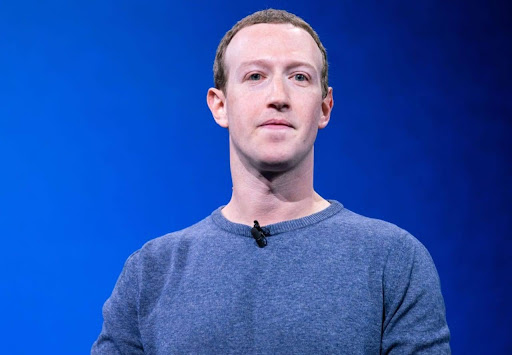
Declaring something inevitable before it has been validated is a specific form of error with a specific price. Meta has shut down Horizon Worlds on VR — off the Quest store by March, terminated on June 15 — after close to $80 billion in losses. Mark Zuckerberg declared the metaverse inevitable in 2021 and invested at a scale appropriate to an inevitable future. When the inevitability proved premature, the cost of the declaration was close to $80 billion.
Premature inevitability is a recurring theme in technology. The paperless office was inevitable in the 1980s. 3D television was inevitable in the 2000s. The metaverse was inevitable in the 2020s. Each declaration was made by credible people with legitimate reasoning about technology trends. Each declaration was premature — not wrong about direction, but wrong about timing and the form the transition would take.
The cost of premature inevitability scales with the investment made in acting on it. Paperless office investments were relatively modest; the cost of the premature declaration was manageable. The metaverse declaration was made by one of the world’s most resource-rich companies; the cost of acting on it was close to $80 billion. The lesson about scaling investment to validation rather than declaration applies at every scale, but it applies most urgently at the scale Meta operated.
Horizon Worlds’ few hundred thousand monthly users confirmed that the inevitable had not arrived. Reality Labs’ losses of close to $80 billion confirmed the cost of investing as though it had. Layoffs of more than 1,000 Reality Labs employees in early 2025 and the formal AI pivot acknowledged the error. The premature inevitability declaration had expired; a new declaration, about AI’s inevitability, was beginning to take its place.
AI’s inevitability, unlike the metaverse’s, is supported by observable adoption rather than theoretical trajectory. The question of whether AI is inevitable has already been answered by millions of users adopting it into their daily workflows. The premature inevitability error — declaring something inevitable before the evidence supports the declaration — appears to have been avoided, at least initially, in how Meta is framing its AI investments. Whether that restraint persists as the investment scales will determine whether history repeats.