
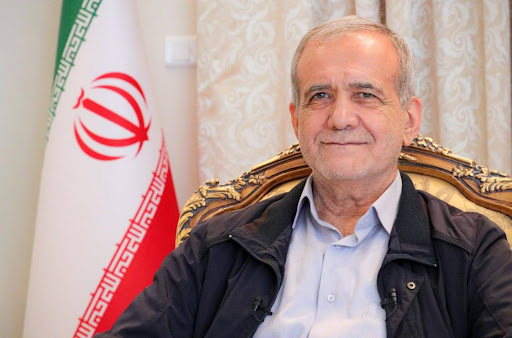
In a dual-track strategy of military warning and diplomatic outreach, Iran’s President Masoud Pezeshkian has simultaneously cautioned Gulf nations and engaged Pakistan as a peace broker in the ongoing conflict with the United States. His public statement on X warned Gulf governments that hosting US and Israeli operations endangers their own security. Meanwhile, he told Pakistan’s Prime Minister Shehbaz Sharif that trust is the first requirement for any meaningful negotiations.
Gulf countries including Saudi Arabia, the UAE, Kuwait, Qatar, and Oman have become entangled in the conflict through American military installations on their soil. US forces have struck Iran from these bases, drawing retaliatory Iranian strikes into Gulf territory. The dual front has stretched Gulf governments diplomatically and created fears of wider regional instability.
Pezeshkian restated Iran’s defensive military doctrine, noting that Iran does not preemptively attack but will retaliate forcefully when its infrastructure or economic centers are hit. His message to Gulf leaders was a call for them to recognize the cost of hosting enemy war operations and to act accordingly. The warning is framed as counsel rather than aggression, but its implication is clear.
Pakistan has emerged as the most credible diplomatic intermediary in the conflict. Following his conversation with Pezeshkian, Prime Minister Sharif confirmed that trust is Iran’s non-negotiable starting point for any peace process. Pakistan’s foreign ministry has organized a multilateral diplomatic meeting bringing together the foreign ministers of Saudi Arabia, Egypt, and Turkey in Islamabad.
Pakistan’s Ishaq Dar will lead these talks, with additional sessions arranged with Prime Minister Sharif. Iran has commended Pakistan’s role and expressed hope that the diplomatic process can build the trust needed for formal negotiations. The Islamabad meetings may prove to be the turning point the region has been waiting for.