
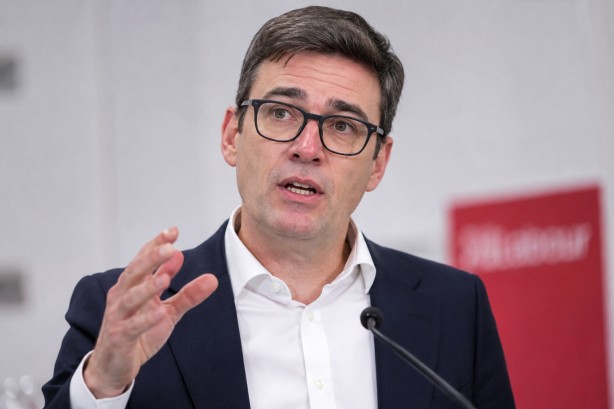
Andy Burnham is set to be the United Kingdom’s next prime minister on Monday, taking the helm of the Labour Party with a commitment to bridging internal divisions and focusing on key national issues. After being confirmed as the new Labour leader, Burnham highlighted his vision for a government unified in tackling critical challenges such as social care, housing, and the escalating cost of living. He underscored this transition as a pivotal moment in British politics and termed it Labour’s “last chance” to implement impactful changes.
Burnham’s agenda includes plans to increase public ownership, boost the supply of council housing, and reform the social care system, while maintaining a supportive stance towards businesses. These initiatives reflect his broader aim to address pressing domestic issues and drive regional development across the UK. As he prepares to take office, Burnham has expressed his intention to announce his new cabinet, with domestic priorities at the forefront of his administration’s agenda.
Speculation surrounds the upcoming cabinet appointments, particularly the role of chancellor. Shabana Mahmood is currently viewed as the frontrunner for the position, surpassing former party leader Ed Miliband. However, this potential appointment has sparked some debate within Labour, highlighting ongoing discussions about the composition of the new government team.
Burnham has emphasized the necessity of party unity, insisting that Labour must set aside factional disputes to effectively address the economic and social challenges facing the nation. By focusing on a cohesive approach, he aims to lead a government capable of navigating the critical issues confronting the UK and fulfilling the promises made to the electorate.