
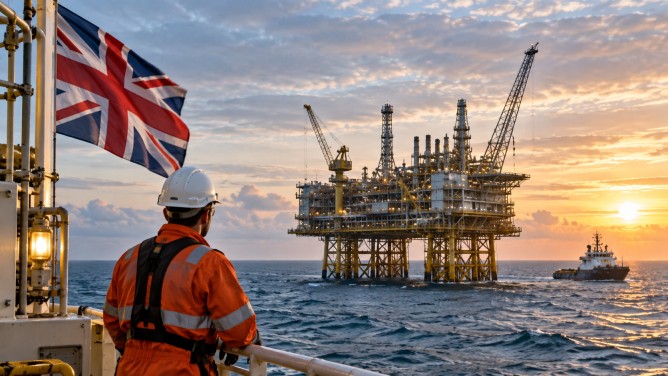
The North Sea oil and gas sector is pressing the UK government to conclude the windfall tax on fossil fuel companies by 2027, three years earlier than planned. Offshore Energies UK (OEUK), the industry’s trade body, argues that this change could boost investment in the industry, which has faced economic challenges amid fluctuating energy prices.
Introduced in 2022, the Energy Profits Levy was established after oil and gas companies posted substantial profits following a surge in prices due to geopolitical tensions like Russia’s invasion of Ukraine. OEUK proposes replacing this levy with a narrower tax system. Under the new plan, companies would be subjected to a 35% tax on revenue only when oil and gas prices exceed a predetermined threshold.
David Whitehouse, OEUK’s chief executive, emphasized that the proposed system balances higher taxation during peak price periods while simultaneously fostering investment incentives. The organization estimates that advancing the tax change could attract up to £50 billion in investment into the North Sea and create substantial employment opportunities. Additionally, it could potentially yield up to £14.9 billion in extra tax revenue over the next decade, partly from jobs generated through new investments.
The industry is also advocating for the quick approval of the Rosebank and Jackdaw oil and gas projects. OEUK claims that enhancing domestic production could decrease the UK’s dependency on imported natural gas, a significant concern amid global energy uncertainties.
Conversely, environmental groups, including Greenpeace, have voiced opposition to reducing the windfall tax. They argue for a strengthened levy, asserting that oil and gas firms should contribute more to alleviate the financial burden on households facing high living costs and energy prices.