
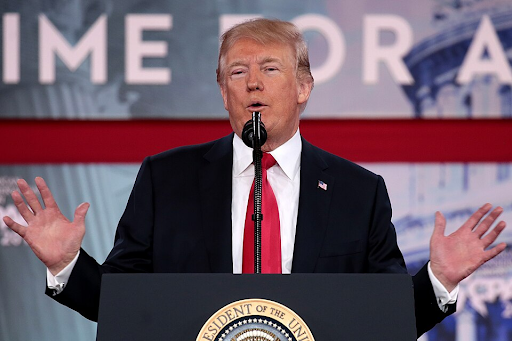
Market anxiety saw a significant reduction this week after Donald Trump suggested that the conflict with Iran might be entering its final stages. Brent crude, which had been flirting with the $120 mark, saw a rapid descent to the low $90s following the President’s reassuring comments to the press. The intervention appears to have successfully cooled a market that was spiraling toward a systemic energy crisis and record-breaking fuel costs.
The backdrop for this recovery was a series of military escalations that threatened to choke off a massive portion of the world’s daily oil supply. Iran’s Revolutionary Guards had issued a “not one litre” policy, promising to halt all exports if their territory continued to face attacks. This stance put the global economy in a precarious position, given that the Strait of Hormuz is the primary exit point for regional production.
To address the supply concerns, the Trump administration is exploring the removal of certain sanctions to allow for increased global exports. This follows a period of shifting alliances and trade permissions, including a 30-day window for Indian refiners to source Russian energy. These tactical adjustments suggest that the administration is prioritizing lower domestic gas prices over rigid sanction enforcement during the ongoing conflict.
The necessity of these moves is highlighted by the emergency actions taken by governments in Southeast Asia and Europe. From university closures in Bangladesh to travel restrictions in the Philippines, the high cost of fuel has forced leaders to make difficult choices for their populations. Without the price drop triggered by Trump’s statements, many of these nations were facing a total depletion of their strategic fuel reserves.
While the market is currently calmer, the potential for renewed conflict remains a significant risk factor for global investors. Trump himself noted that while many objectives have been met, the mission is “not enough,” suggesting that military readiness will remain high in the region. The global community is now looking toward a potential maritime escort program to permanently stabilize the flow of goods through the region.