
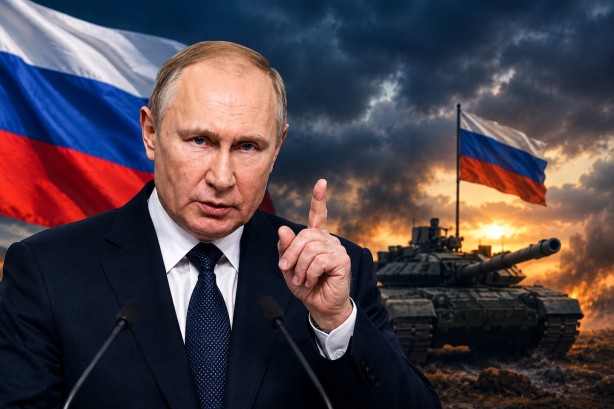
Russia has issued a warning to the United Kingdom, indicating potential retaliatory measures in response to the UK’s ongoing military support for Ukraine. This includes possible strikes on military targets both within and beyond Ukraine’s borders. The warning follows reports of the UK’s plans to provide Ukraine with access to classified technology to aid in the production of long-range Storm Shadow cruise missiles domestically. Russia has accused Britain and France of “playing with fire” due to their backing of Kyiv.
These developments come amid reports of a recent visit to Moscow by CIA Director John Ratcliffe, who reportedly cautioned Russian officials against any attacks on NATO territories. U.S. intelligence has expressed apprehension that Russia may attempt to challenge NATO through limited military actions, cyberattacks, or other hybrid warfare methods. In response, the Kremlin has denied any intentions of attacking a NATO member, dismissing such claims as inaccurate.
Across Europe, concerns about Russia’s intentions have intensified, particularly with an increase in alleged cyberattacks, drone incidents, and other forms of hybrid activities. Nations within NATO that share borders with Russia have continued to bolster their military readiness in response to these perceived threats.
The escalating tensions between Russia and Western countries highlight the ongoing friction as the conflict in Ukraine persists. With the involvement of major powers like the UK and discussions involving the U.S. intelligence community, the geopolitical landscape remains tense and complex.
As the situation unfolds, the international community is closely monitoring the developments, especially the interactions between Russia, NATO, and countries supporting Ukraine. The current dynamics underscore the fragile balance and the potential for further escalation in the region.