
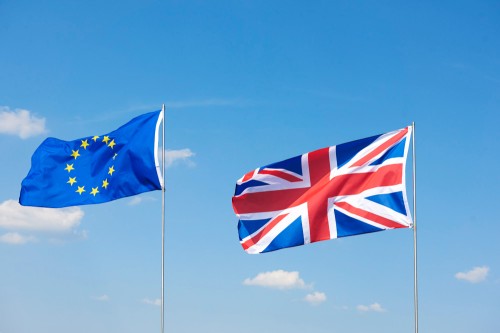
The UK government is considering the creation of a single market for goods with the European Union as a strategy to enhance post-Brexit trade relations and stimulate economic growth. Recent discussions in Brussels between senior UK officials and their European counterparts centered on this proposal, although it received a lukewarm response from the EU side. Instead, European officials proposed alternatives like joining a customs union or the European Economic Area (EEA), which the UK government has consistently ruled out due to political implications.
While rejoining the EU single market, customs union, or accepting the free movement of people remains off the table for the UK, both parties are gearing up for a UK-EU summit anticipated in July. The summit will likely focus on practical agreements, including a deal on veterinary and food standards to facilitate agricultural trade, a linkage of carbon emissions trading systems, and a youth mobility program to enhance study and work opportunities.
Beyond these discussions, the UK seeks to bolster cooperation in key sectors such as defense, steel, electric vehicles, and technology. British officials assert that improved trade arrangements could play a crucial role in fostering long-term economic growth and promoting industrial collaboration across Europe. However, EU representatives remain cautious about granting special access to the single market for the UK, fearing that such an arrangement might embolden Eurosceptic movements in other member states.
Negotiations between the UK and EU continue as the July summit approaches, with both sides aiming to solidify agreements that could shape the future of their economic partnership. Despite the apparent challenges and differing priorities, the upcoming discussions hold the potential to forge new pathways for collaboration post-Brexit.